



The cultural significance of gambling in modern society
The Historical Context of Gambling
Gambling has a long history that dates back thousands of years, evolving from simple games of chance to complex systems involving strategy and skill. Ancient civilizations, such as the Greeks and Romans, incorporated gambling into their cultures, viewing it as a form of entertainment and a means of social engagement. These historical roots have laid the groundwork for the modern gambling landscape, highlighting its integral role in human interaction and culture. Today, many individuals enjoy exploring gaming options at https://aus22-australia.com/games/, reflecting this enduring interest.

The transition into the modern era saw gambling expand beyond informal gatherings to more organized forms, such as state lotteries and casinos. This evolution is not merely a change in scale but also in purpose; gambling began to be seen as a way to generate revenue for governments while providing entertainment for the public. This duality—the enjoyment of risk-taking and the economic benefits—continues to shape the cultural significance of gambling today.
Modern society recognizes gambling as a multifaceted cultural phenomenon. It transcends mere entertainment; it engages with social, economic, and even psychological dimensions. This complexity leads to diverse perceptions of gambling, ranging from celebration and community bonding to criticism regarding addiction and societal impact. Understanding these historical layers is crucial in appreciating the intricate relationship between gambling and modern culture.
Gambling as a Form of Entertainment
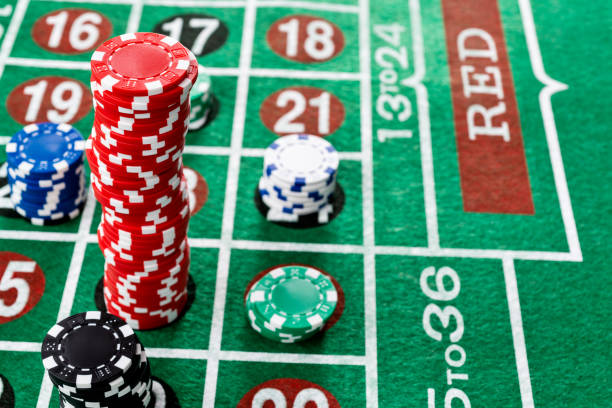
In contemporary society, gambling is predominantly perceived as a form of entertainment. Casinos, sports betting, and online gaming platforms have emerged as popular pastimes, attracting millions of participants. This shift towards viewing gambling as entertainment has led to the creation of a vibrant industry that is both economically significant and culturally rich. Events such as poker tournaments and the Super Bowl betting frenzy have become cultural phenomena, drawing large crowds and media attention.
The integration of technology has further enhanced the entertainment aspect of gambling. Online casinos and mobile betting apps provide instant access to games and betting opportunities, allowing users to gamble from the comfort of their homes. This accessibility has contributed to the normalization of gambling as a leisure activity, fostering a culture that embraces risk-taking and excitement. As gambling becomes more entrenched in everyday life, its role as a source of entertainment continues to grow.
However, the entertainment value of gambling is often accompanied by a deeper social interaction. Many people view trips to casinos as social outings, and online gaming communities foster connections among players worldwide. This blending of entertainment and socialization highlights the cultural significance of gambling as a shared experience, further embedding it into the fabric of modern society.
The Economic Impact of Gambling
The economic significance of gambling in modern society cannot be overstated. Governments worldwide have recognized the potential of gambling to generate substantial revenue. The taxation of gambling establishments, including casinos and sportsbooks, provides funding for essential public services and infrastructure. This financial incentive has led many regions to embrace gambling as a means of economic growth, contributing significantly to local and national economies.
Moreover, the gambling industry creates jobs in various sectors, including hospitality, entertainment, and technology. From dealers in casinos to software developers for online platforms, the industry supports millions of livelihoods globally. This job creation extends beyond the immediate gambling environment, impacting surrounding businesses such as hotels, restaurants, and transportation services, effectively creating a ripple effect throughout the economy.
However, while gambling contributes positively to economic development, it can also present challenges. Issues such as problem gambling and addiction require attention, as they can lead to financial distress for individuals and communities. Balancing the economic benefits of gambling with responsible gaming practices remains a critical conversation in modern society, influencing policies and regulations surrounding the industry.
Gambling and Social Dynamics
Gambling has a profound influence on social dynamics, shaping relationships and community interactions. It serves as a medium for socialization, bringing together individuals from diverse backgrounds in shared experiences. Events like poker nights or community bingo sessions create a sense of camaraderie among participants, fostering connections that might not occur in other contexts. These gatherings often reinforce social bonds and create lasting memories.
Conversely, gambling can also lead to social isolation and stigmatization for those struggling with addiction. The duality of gambling as both a social connector and potential divider is a complex aspect of its cultural significance. Communities must navigate the fine line between promoting responsible gambling for enjoyment and addressing the potential harms associated with excessive play. This ongoing conversation is crucial for creating a balanced understanding of gambling’s role in society.
Moreover, cultural perceptions of gambling vary widely across different societies and communities. In some cultures, gambling is celebrated as a traditional pastime, while in others, it may be viewed negatively due to moral or religious beliefs. These differing perspectives contribute to the rich tapestry of social attitudes surrounding gambling, highlighting the importance of context in understanding its cultural significance.
The Future of Gambling in Society
As we move further into the 21st century, the landscape of gambling continues to evolve, influenced by technological advancements and changing societal attitudes. The rise of online gambling and mobile betting is reshaping how individuals engage with games of chance, making them more accessible and integrated into everyday life. This trend points towards a future where gambling is even more prevalent and accepted as a mainstream form of entertainment.
Moreover, the ongoing dialogue about responsible gambling practices is becoming increasingly important. With the rapid growth of the gambling industry, ensuring that participants are educated about risks and have access to support systems is essential. This focus on responsible gaming reflects a cultural shift towards prioritizing health and well-being alongside entertainment, emphasizing the need for a balanced approach.
Looking ahead, the cultural significance of gambling will likely continue to be a reflection of broader societal values. As attitudes evolve and technology advances, the role of gambling in modern society will adapt, maintaining its position as a complex and multifaceted cultural phenomenon. Engaging in this dialogue is essential for understanding its future impact on individuals and communities alike.
Conclusion
In summary, the cultural significance of gambling in modern society is multifaceted and deeply rooted in history. From its evolution as a leisure activity to its economic implications, gambling intertwines with social dynamics and individual experiences. While providing entertainment and financial benefits, it also necessitates a conversation around responsibility and awareness of potential risks.
As we continue to engage with gambling in various forms, it is crucial to recognize its complexity. The future of gambling will depend on how society navigates the balance between enjoyment, economic benefits, and the need for responsible practices. By fostering a deeper understanding of gambling’s cultural significance, we can ensure that it remains a positive force in our lives and communities.

